Key takeaways
SaaS listings need buyer context more than feature lists.
Pricing, integrations, screenshots, and comparison language make listings easier to evaluate.
A SaaS product can use multiple category angles across different directories.
The strongest campaigns combine niche directories with broader launch surfaces.
SaaS directories are evaluation surfaces
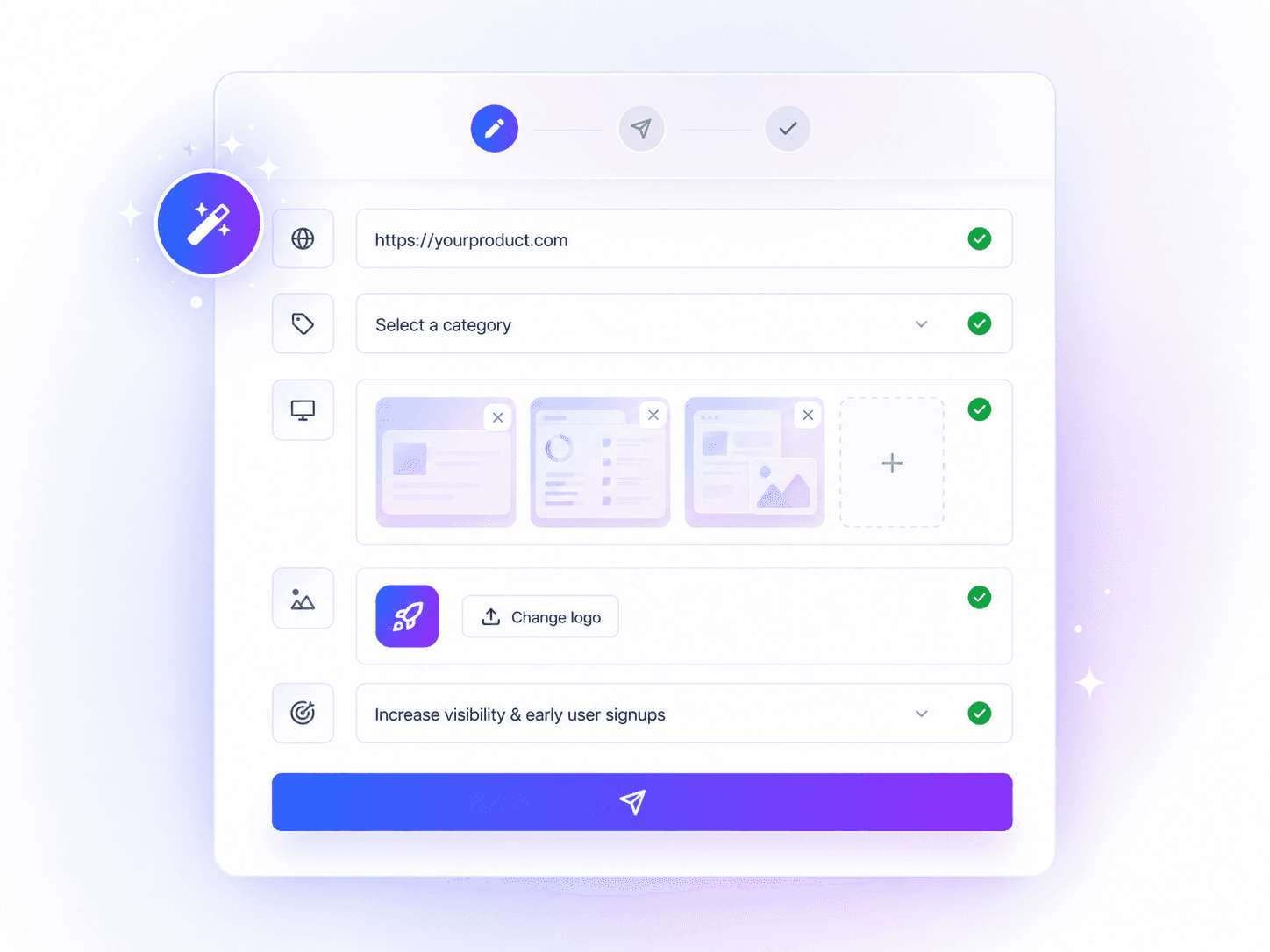
A SaaS directory visitor is often comparing options. They want to know who the product is for, what workflow it improves, how pricing works, and whether it is credible enough to inspect. A listing that only repeats the homepage headline will usually feel thin.
Before submitting, write the buyer context. Is the product for founders, marketers, support teams, recruiters, analysts, agencies, finance teams, or developers? What tool or manual process does it replace? What moment makes the product valuable? These answers should appear in the listing.
Show the workflow, not just the dashboard
Many SaaS products have beautiful dashboards that do not explain the workflow. Directory listings benefit from screenshots that show before-after state, reporting output, integrations, automation rules, or the specific screen where value is delivered.
If the product has integrations, mention them clearly. If it saves time, explain which task becomes faster. If it improves visibility, name the metric or report. This turns the listing from a slogan into a useful evaluation page.
Pricing clarity helps approvals and clicks
Some founders hide pricing because they want sales conversations. That can work for enterprise products, but directory visitors often prefer enough pricing context to decide whether to click. Free trial, freemium, usage-based, paid plan, and enterprise contact paths should be clear.
You do not need to include every plan detail in every directory. A simple note like free trial available, plans start at a monthly price, or custom pricing for teams can improve trust. It also prevents editors from marking the listing incomplete.
Use multiple category angles
A SaaS product may fit more than one category. A reporting tool could be analytics, business intelligence, marketing operations, or no-code dashboards depending on the directory. Prepare category alternatives before submitting so you are not making rushed decisions inside each form.
This does not mean forcing the product into unrelated categories. It means translating the same product into the directory language that best matches the audience. The listing should feel native to each site while remaining honest.
Blend niche and general directories
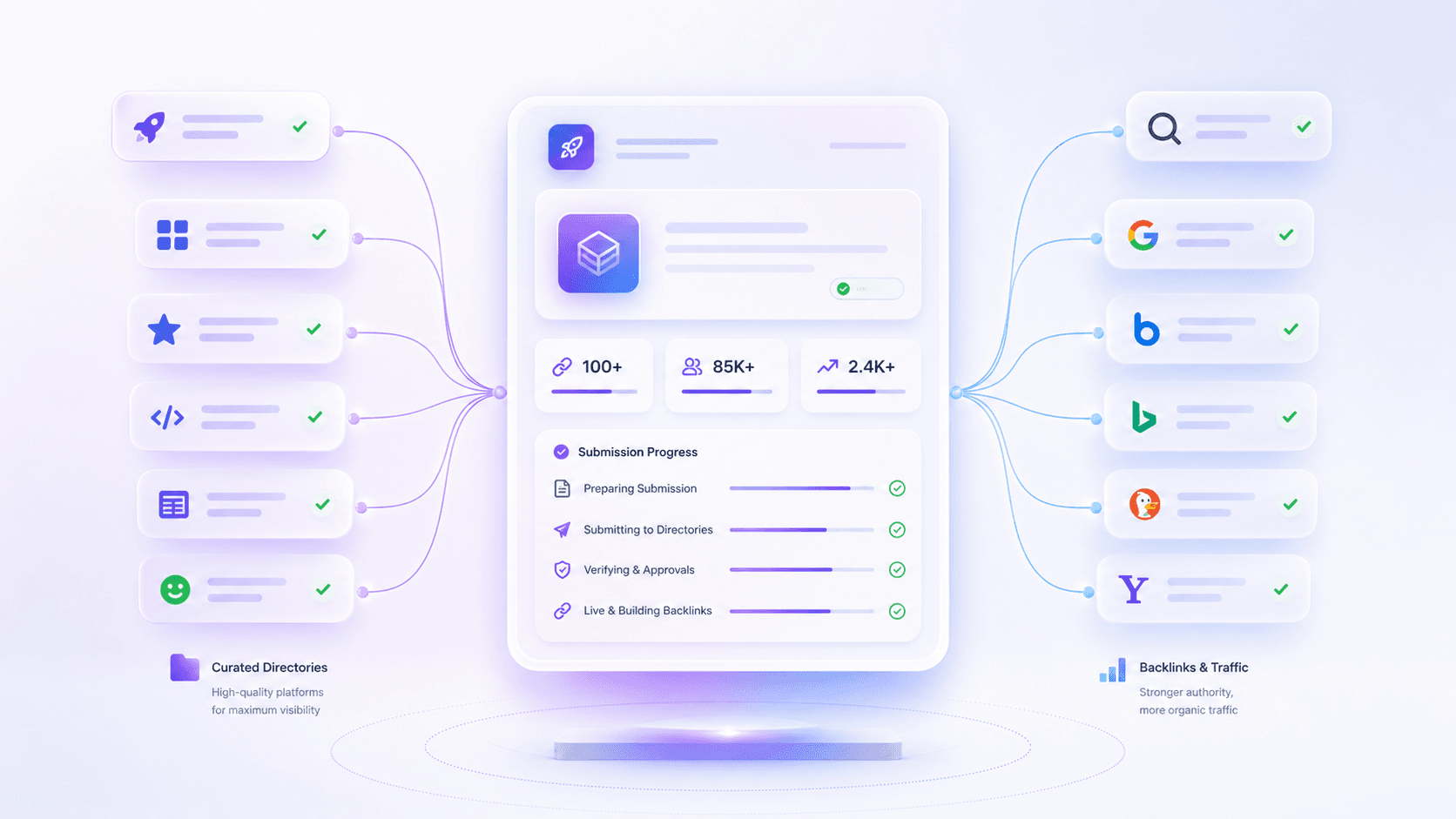
Niche SaaS directories are useful because visitors understand the category. General startup directories are useful because they create broader launch visibility. Software catalogs can support buyer discovery. Community lists can bring early feedback. The best campaign blends these surfaces instead of relying on one type.
Track the groups separately. You may find that niche directories approve faster, launchpads send more early traffic, and general software catalogs create stronger long-term citations. That learning helps future launches.
What to measure after publishing
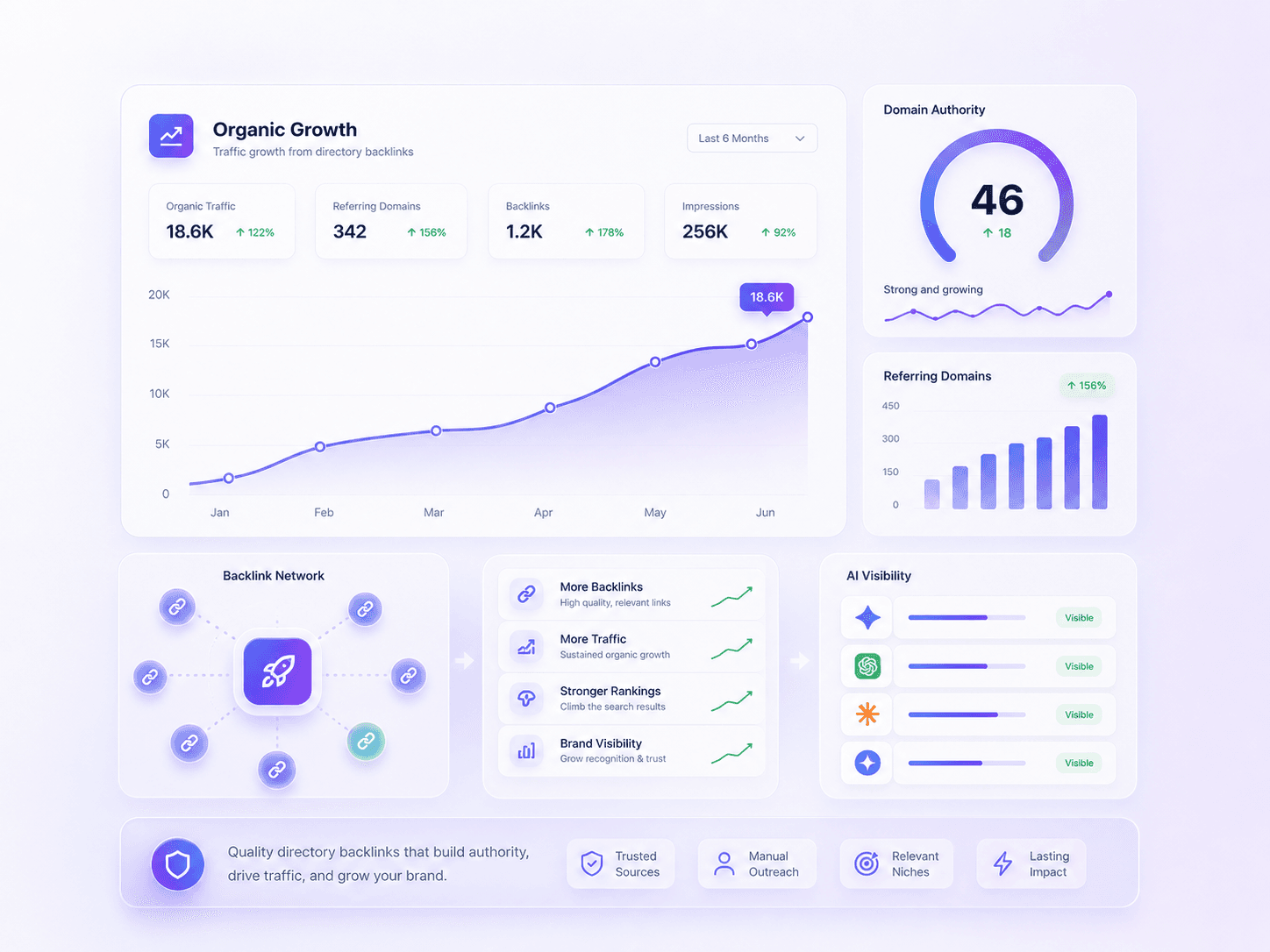
The work is not finished when an article or listing goes live. Track whether the page is indexed, whether referral sessions appear in analytics, whether branded search impressions move, and whether any directory profile becomes a recurring source of qualified visitors. Early numbers can be small, but the pattern matters. A single relevant listing that sends product-aware visitors is more useful than dozens of low-context mentions.
Review the strongest listings after two to four weeks. Update screenshots if the product changed, add clearer pricing context if visitors bounce, and improve descriptions where category fit feels weak. Directory pages are public assets, not one-time forms. The teams that get the most value from submission work treat listings like small landing pages distributed across the web.
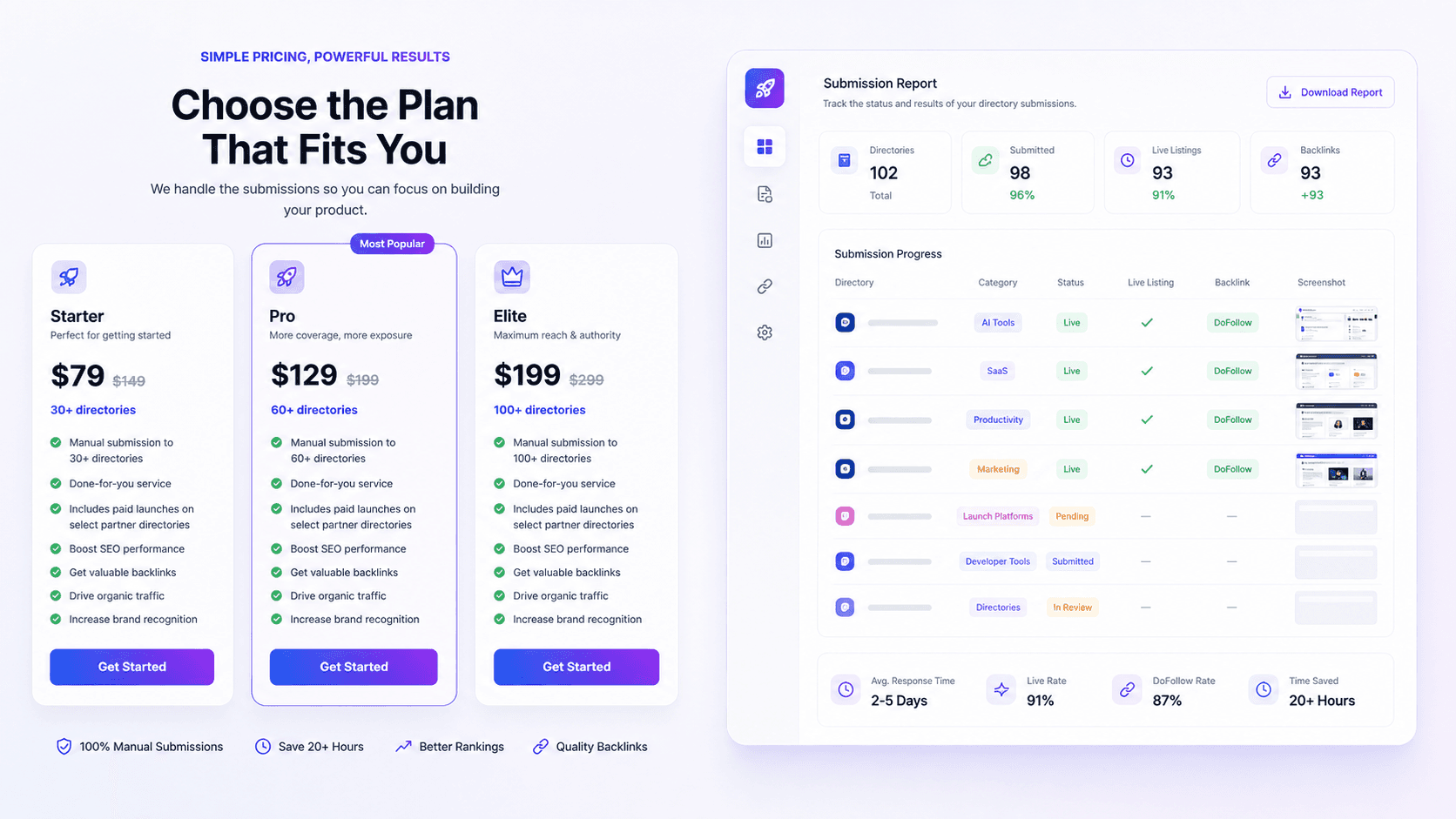
If you use a managed submission service, ask for a report that supports this follow-up. The report should make it easy to identify live URLs, pending reviews, rejected listings, paid upgrade prompts, and founder verification tasks. Without that record, it is hard to separate real distribution from busywork.
How this fits into the broader launch strategy
Directory work should not sit alone. It works best when paired with a product update, founder outreach, customer emails, social proof, community posts, and a landing page that is ready to convert new visitors. The directory listing creates a discovery path; the rest of the launch system turns that attention into trials, demos, feedback, or signups.
Founders should also reuse the language developed during the submission process. A clear short pitch can become social copy. A detailed long description can become a Product Hunt comment, a newsletter blurb, or a comparison-page introduction. Category alternatives can inform SEO pages and paid search tests. The submission kit is valuable because it forces the product story into reusable pieces.
The final goal is consistency without sameness. Your homepage, directory listings, launch posts, and founder outreach should describe the same product, but each surface should emphasize what its audience cares about. That is how directory submission becomes part of a credible launch system rather than a one-off backlink chore.
Ready to build high-quality backlinks?
We'll submit your product to 100+ directories and build valuable backlinks for your SEO. Save hours of manual work so you can focus on building, not submitting forms.
See pricing & get startedPractical checklist
Write buyer, workflow, and pain-point context.
Prepare pricing and trial notes.
Use screenshots that show product value.
Prepare multiple honest category angles.
Track directory groups separately.